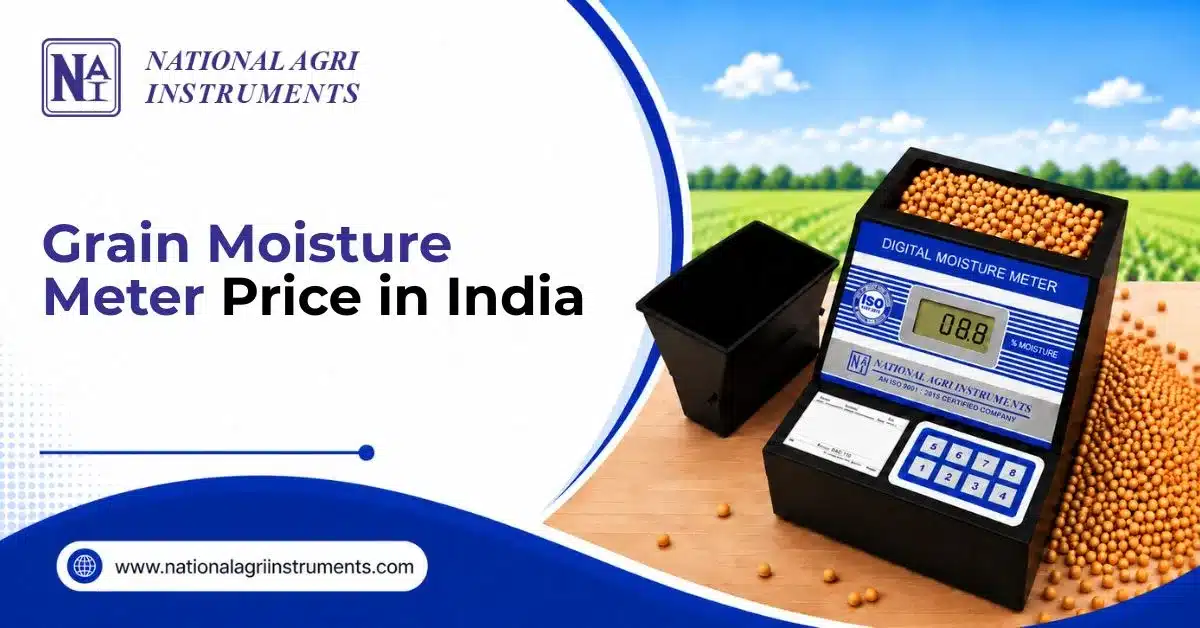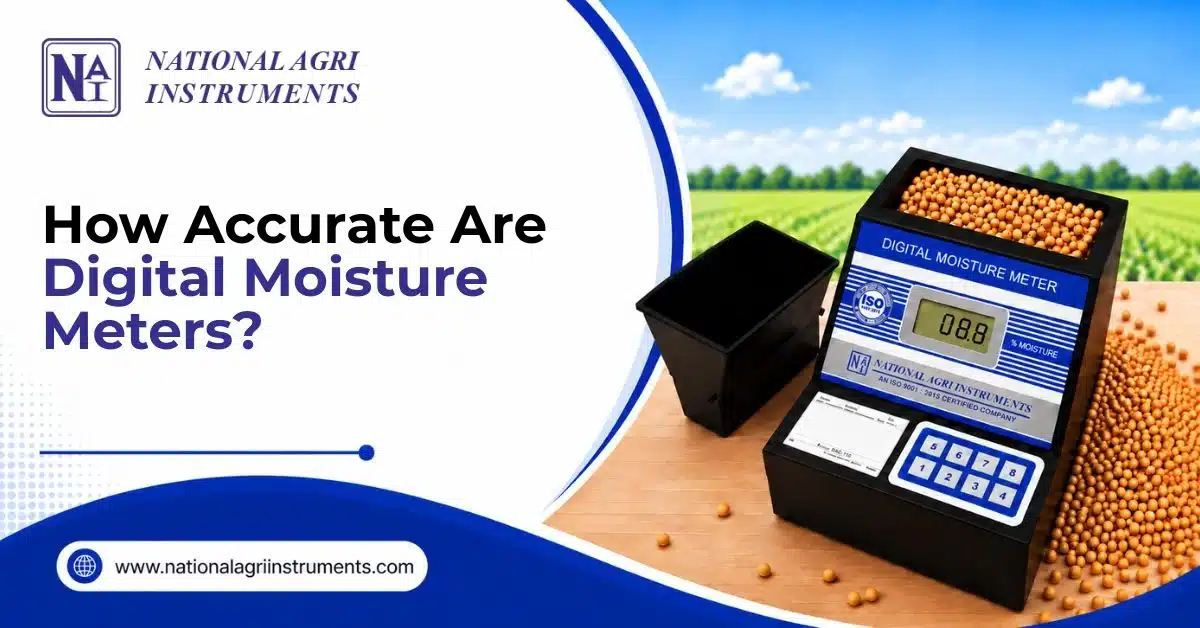
The price of grain moisture testing equipment depends on measurement accuracy, testing requirements, construction, and…
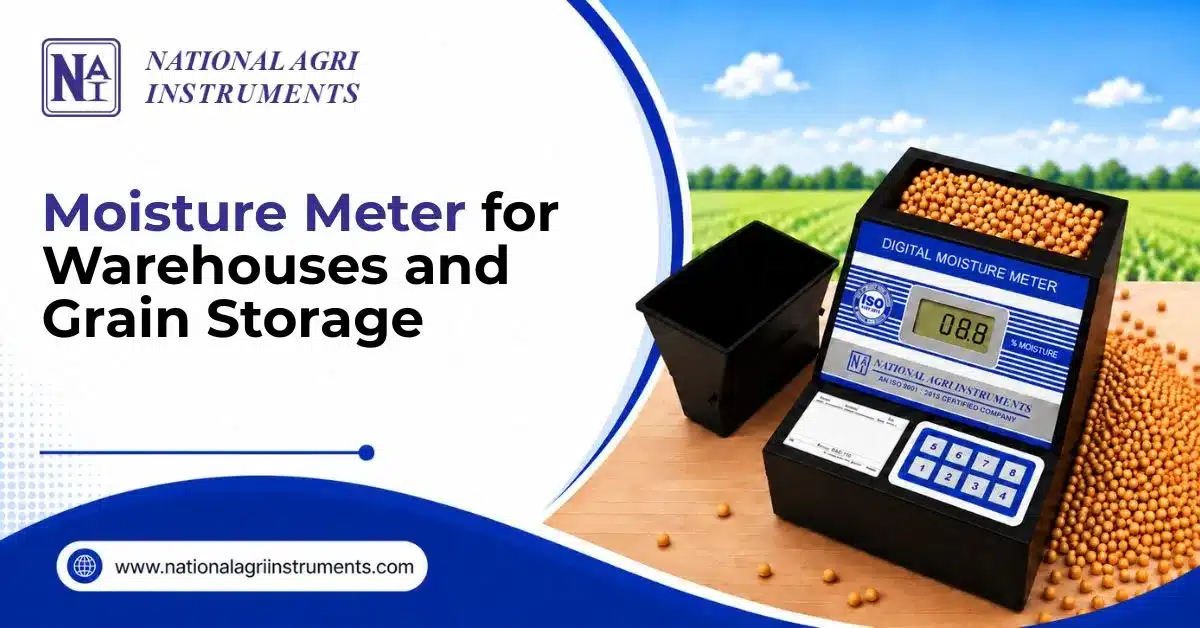
Moisture Meter for Warehouses and Grain Storage
Grain storage requires careful moisture monitoring to help preserve quality and reduce the risk of spoilage. Excess moisture can encourage mould growth, affect grain condition, and create storage challenges for warehouses, rice mills, and grain traders. Regular testing helps identify moisture levels before they become a larger problem.
Using a suitable Moisture Meter allows storage operators to assess grain moisture during receiving, handling, and routine quality checks. Understanding how to use moisture readings alongside proper storage practices can support better grain management and help maintain quality throughout storage.
Why Is Moisture Monitoring Important in Grain Storage?
Grain may absorb moisture from humid air, damp surfaces, or unsuitable storage conditions. If moisture levels become too high, the risk of deterioration can increase, particularly when grain is stored for extended periods.
A Moisture Meter helps warehouse operators check grain moisture rather than relying on appearance alone. Regular checks can support decisions about drying, handling, and whether storage conditions need attention.
How Does a Moisture Meter Help in Warehouses?
Warehouses handle grain in large quantities, making regular quality checks important. A Moisture Meter helps staff assess moisture levels when grain arrives, before it enters storage, and during scheduled inspections.
This information can help operators identify batches that may require further drying or closer monitoring. Testing at different stages also helps establish a record of grain condition and supports more consistent warehouse quality control.
Need reliable grain moisture testing? Contact us to discuss your Moisture Meter requirements.
What Moisture Risks Can Affect Stored Grain?
Moisture-related problems can develop when grain is stored under unsuitable conditions. Common risks include:
- Mould growth: Excess moisture can encourage mould development, especially when combined with warm conditions.
- Quality deterioration: Poor storage conditions may affect grain quality and suitability for its intended use.
- Uneven moisture levels: Grain within a large batch may not always have uniform moisture content.
- Storage losses: Moisture-related deterioration can lead to avoidable waste and financial losses.
Using a Moisture Meter as part of regular inspections helps identify potential concerns. However, readings should be considered alongside ventilation, temperature, sanitation, and other storage conditions.
When Should You Use a Moisture Meter for Grain Storage?
Testing at key points helps warehouse teams monitor grain condition more effectively. A Moisture Meter can be used:
- When receiving grain from suppliers or farms.
- Before storing newly delivered grain.
- During periodic inspections of stored stock.
- After drying or other moisture-control measures.
- Before dispatching grain to buyers or processing facilities.
Consistent testing practices make it easier to compare readings over time and identify changes that may need attention.
What Features Matter When Choosing a Moisture Meter?
The right instrument should suit the grains being tested and the warehouse’s daily workflow. Before purchasing a Moisture Meter, consider these features:
- Measuring range: Ensure it covers the moisture levels relevant to your grain and application.
- Accuracy and sensitivity: Check whether the stated specifications meet your testing requirements.
- Temperature compensation: Automatic compensation can help account for temperature variations during measurement.
- Ease of use: A clear display and straightforward testing process can simplify routine inspections.
- Sample handling: Consider the required sample size and time needed to obtain a reading.
Choose equipment based on actual testing needs rather than selecting a model solely because it offers more features.
Frequently Asked Questions
Why is moisture testing important for grain storage?
Moisture testing helps identify grain that may require drying or closer monitoring, supporting better storage management and quality control.
When should grain moisture be checked in a warehouse?
Check moisture when grain arrives, before storage, during periodic inspections, after drying, and before dispatch.
Can excess moisture cause mould in stored grain?
Yes, Excess moisture, particularly when combined with warm conditions, can encourage mould growth and grain deterioration.
What features should I look for in a grain moisture meter?
Consider measuring range, accuracy, sensitivity, temperature compensation, sample handling, and ease of operation.
Does a moisture meter replace warehouse condition monitoring?
No, Moisture testing complements temperature checks, ventilation management, pest control, and regular inspections. All these practices help maintain suitable storage conditions.
Conclusion
Effective grain storage depends on regular inspections and suitable environmental controls. Using a Moisture Meter helps warehouse operators monitor grain moisture, assess quality, and make informed decisions about drying, handling, and storage. Combining consistent testing with proper storage practices can help reduce moisture-related risks.
Related Posts