Moisture content plays a vital role in grain quality, storage safety, and market value. Excess…
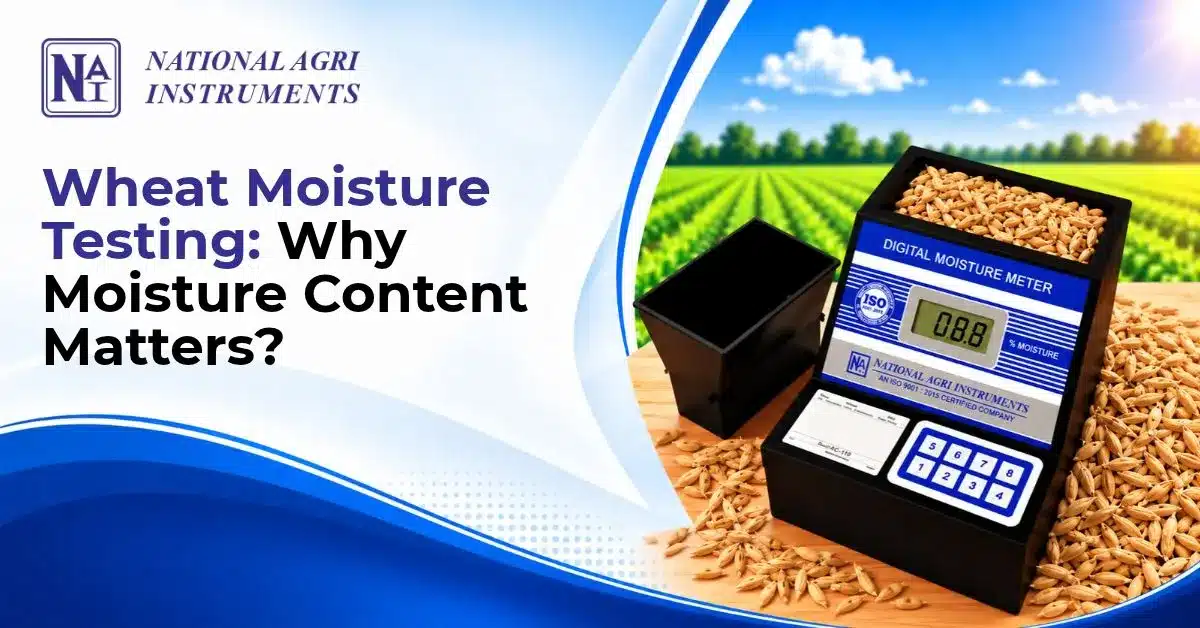
Wheat Moisture Testing: Why Moisture Content Matters?
Wheat moisture content plays an important role in grain quality, storage safety, and market value. Wheat harvested or stored with excessive moisture may develop mould, deteriorate, or lose quality if conditions are not managed properly. Regular testing helps farmers, grain traders, warehouse operators, and flour mills make informed decisions about drying, handling, and storage. Using a suitable Moisture Meter makes routine wheat moisture assessment more consistent and helps support better grain management.
Why Is Wheat Moisture Content Important?
Moisture affects how wheat can be stored, transported, and processed. Grain with unsuitable moisture levels may require additional drying before storage to reduce the risk of deterioration. Testing also helps buyers and sellers assess grain quality during procurement and supports more consistent handling practices.
A Moisture Meter helps measure wheat moisture so that farmers and grain handlers can make decisions based on readings rather than relying only on the grain’s appearance or touch.
Risks of Excess Moisture in Wheat
1. Increased Risk of Mould and Spoilage
Wheat stored under damp conditions may become vulnerable to mould growth and deterioration. Checking moisture with a Moisture Meter before storage helps identify grain that may need further drying or closer monitoring.
2. Reduced Storage Stability
Excess moisture can contribute to heating and quality deterioration in stored grain. Regular testing with a Moisture Meter, combined with suitable ventilation and storage management, helps operators identify potential problems early.
3. Quality and Market Concerns
Moisture content can influence grain handling, processing suitability, and purchasing decisions. Consistent testing helps traders and mill operators assess incoming wheat and compare batches more reliably.
Need reliable grain moisture testing equipment? Contact us to discuss your testing requirements.
How Does a Moisture Meter Help in Wheat Testing?
A Moisture Meter provides a practical way to assess wheat moisture during harvesting, procurement, drying, and storage. Depending on the instrument, users can obtain readings quickly and use them to determine whether further drying or additional checks may be necessary.
Routine measurements can help:
- Check wheat moisture before storage.
- Compare moisture levels across different batches.
- Support drying and grain-handling decisions.
- Assess incoming wheat at mills and warehouses.
- Maintain more consistent quality-control practices.
For reliable results, follow the instrument’s operating instructions and use a representative grain sample. Measurement accuracy can depend on the meter, sample condition, temperature, and testing procedure.
Best Practices for Wheat Moisture Testing
For consistent wheat moisture assessment, follow these practices:
- Test at key stages: Check moisture during harvesting, after drying, before storage, and when receiving grain.
- Use representative samples: Collect samples that reflect the batch being assessed.
- Follow the correct procedure: Operate the instrument according to its instructions.
- Record readings: Maintain records to compare batches and monitor changes over time.
- Monitor storage conditions: Consider temperature, ventilation, and other environmental factors alongside moisture readings.
Regular testing with a Moisture Meter helps farmers, traders, and mill operators assess wheat moisture consistently and make informed decisions about drying, handling, and storage.
Frequently Asked Questions
Why is moisture testing important for wheat?
It helps assess grain condition, supports drying decisions, and reduces the risk of moisture-related deterioration during storage.
When should wheat moisture be tested?
Wheat should be tested during harvesting, after drying, before storage, and when grain is received for trading or processing.
How does a Moisture Meter help test wheat?
A Moisture Meter measures the moisture content of a grain sample, helping users make informed decisions about drying, storage, and quality checks.
Can excess moisture affect stored wheat?
Yes. Excess moisture under unsuitable storage conditions can increase the risk of mould, heating, and grain deterioration.
What should I consider when choosing a Moisture Meter for wheat?
Consider the measuring range, accuracy, ease of use, sample requirements, reading speed, and suitability for your testing routine.
Conclusion
Monitoring wheat moisture is essential for maintaining grain quality, supporting suitable storage conditions, and reducing avoidable losses. Regular testing helps farmers, traders, and mill operators make informed decisions about drying, handling, and procurement. Choosing a reliable Moisture Meter that suits wheat testing requirements can improve the consistency of moisture checks and support effective grain management.
Related Posts