Accurate moisture measurement plays a vital role in maintaining the quality, storage stability, and market…

Best Moisture Meter for Soil and Agriculture in 2026
Accurate moisture measurement plays a vital role in modern agriculture by helping farmers improve crop quality, reduce post-harvest losses, and make informed storage decisions. Different stages of farming require different measurement techniques, from monitoring soil conditions during crop growth to checking moisture levels in harvested commodities.
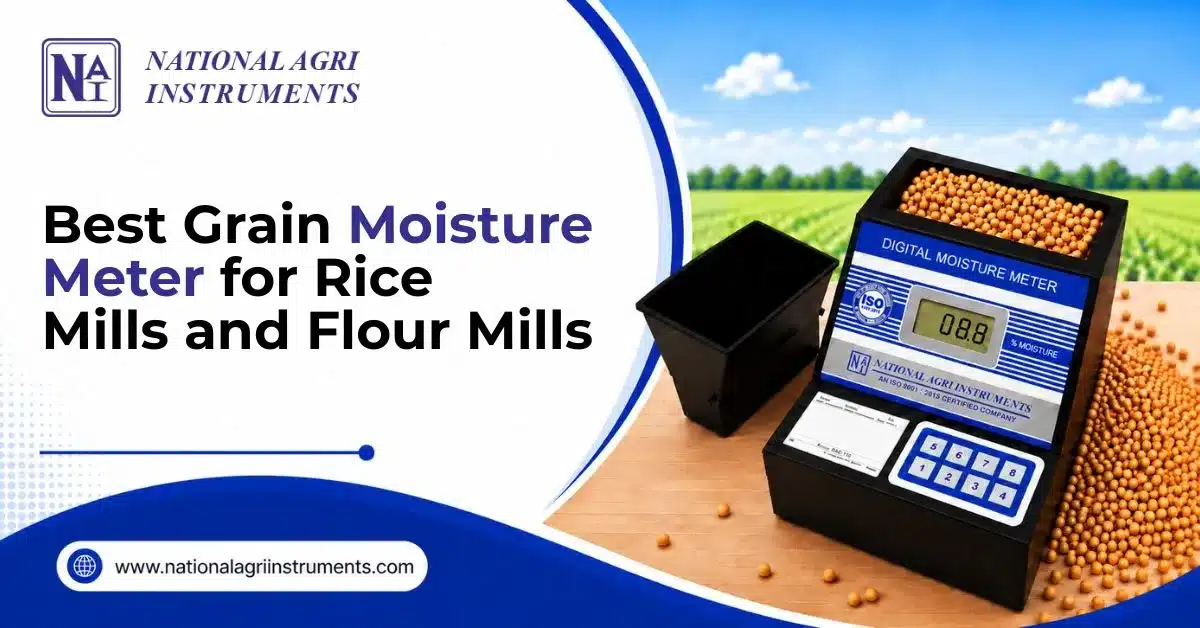
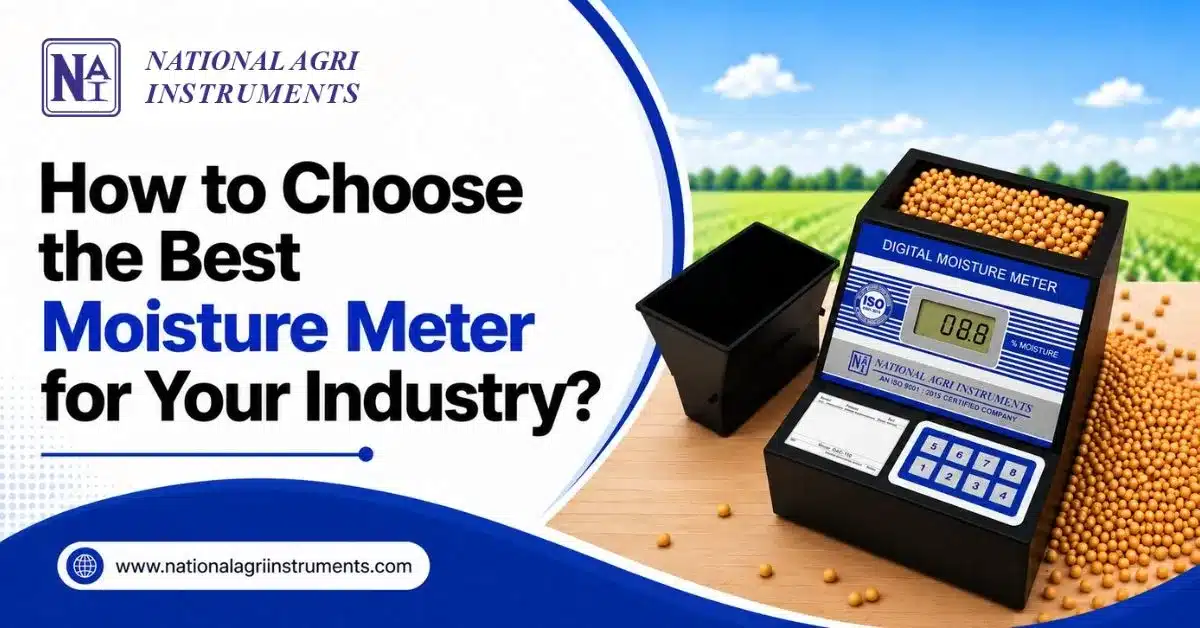
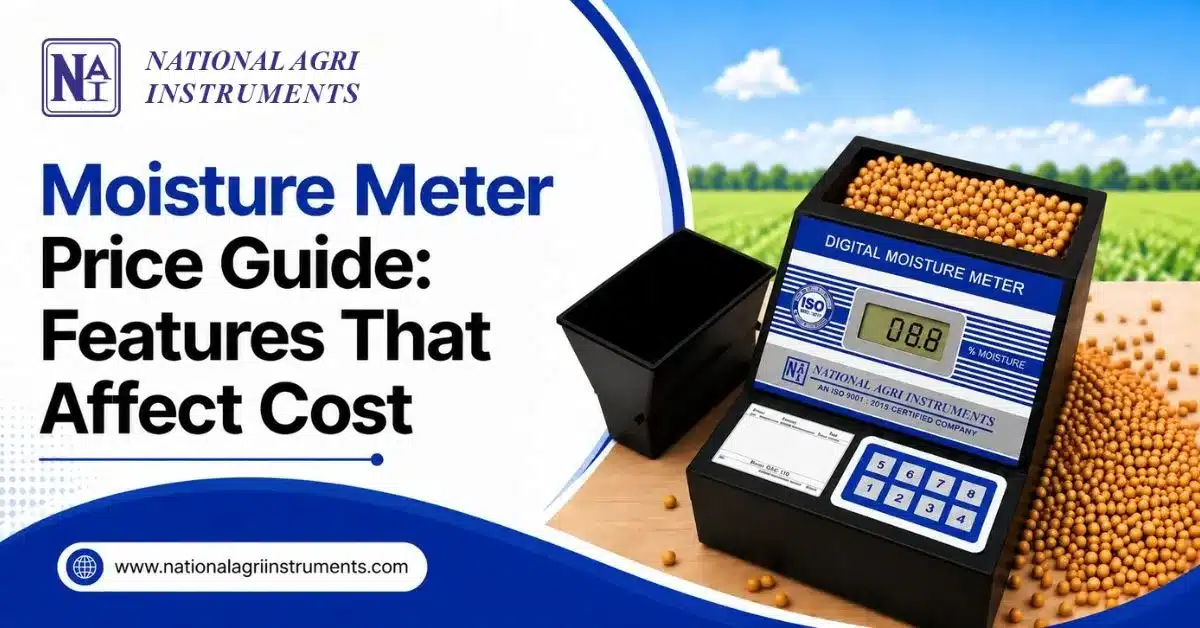
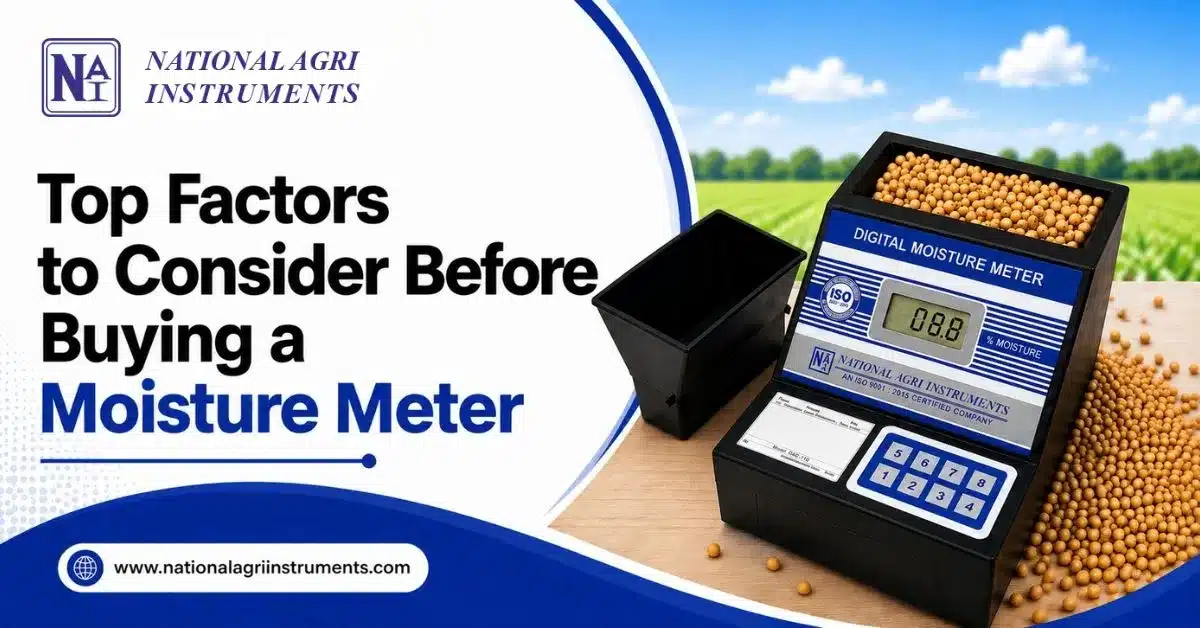
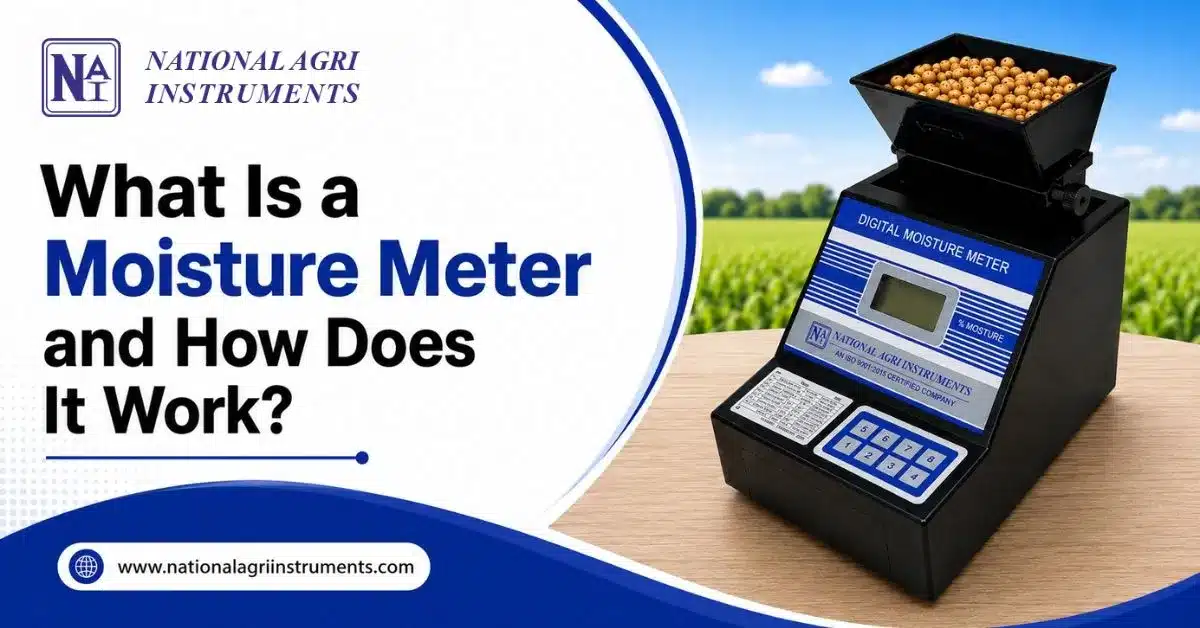
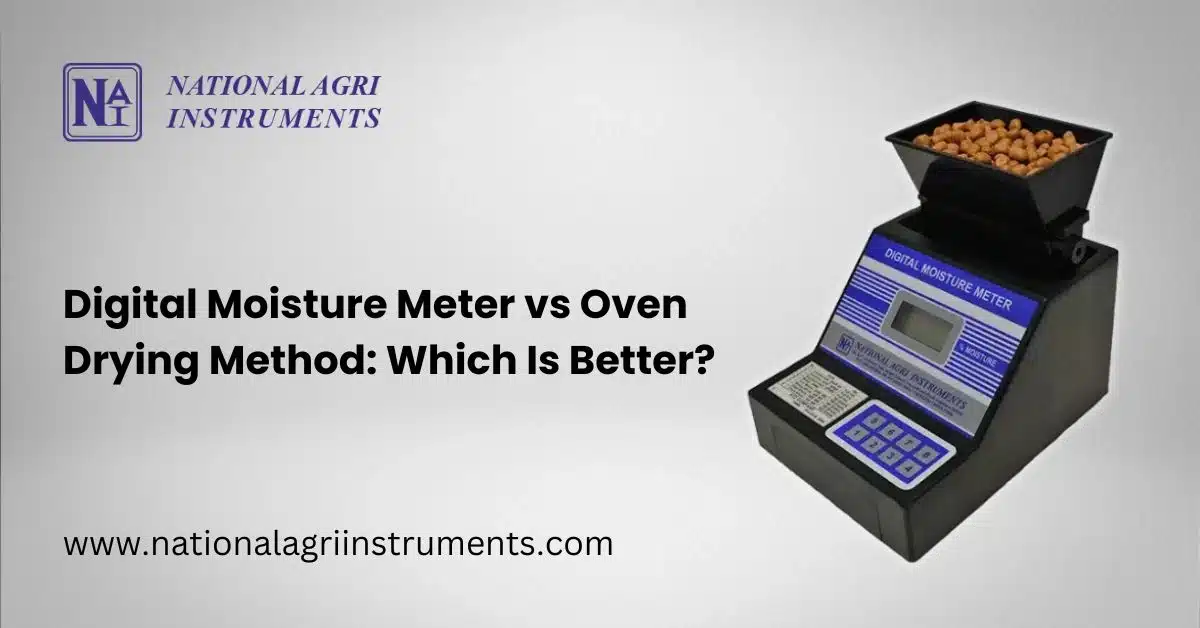
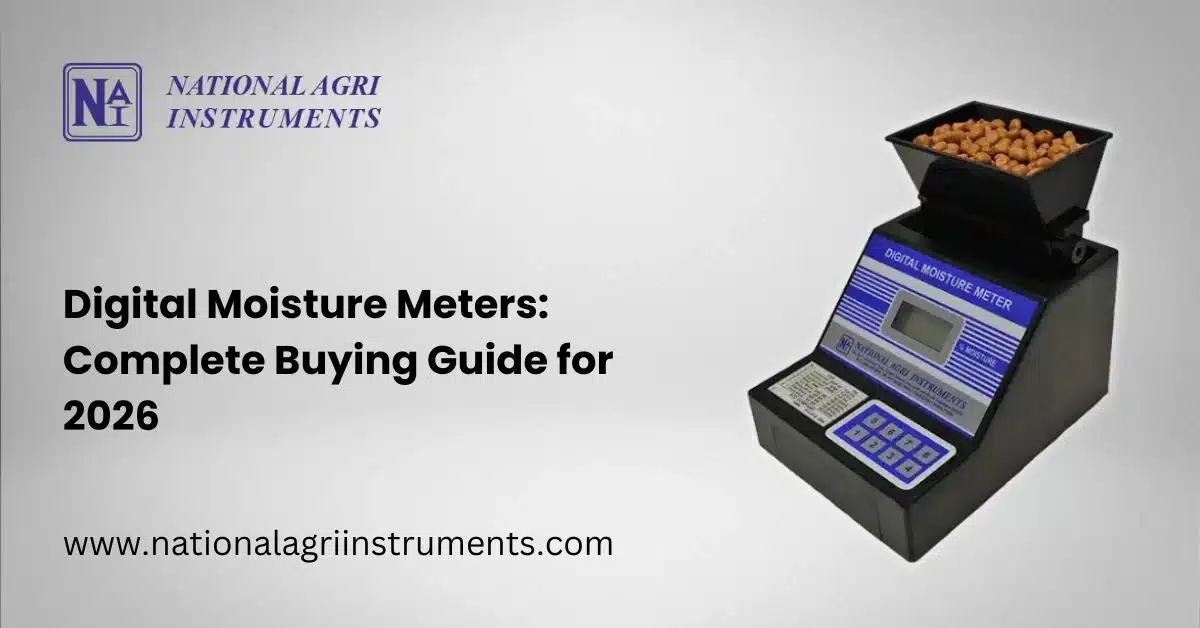
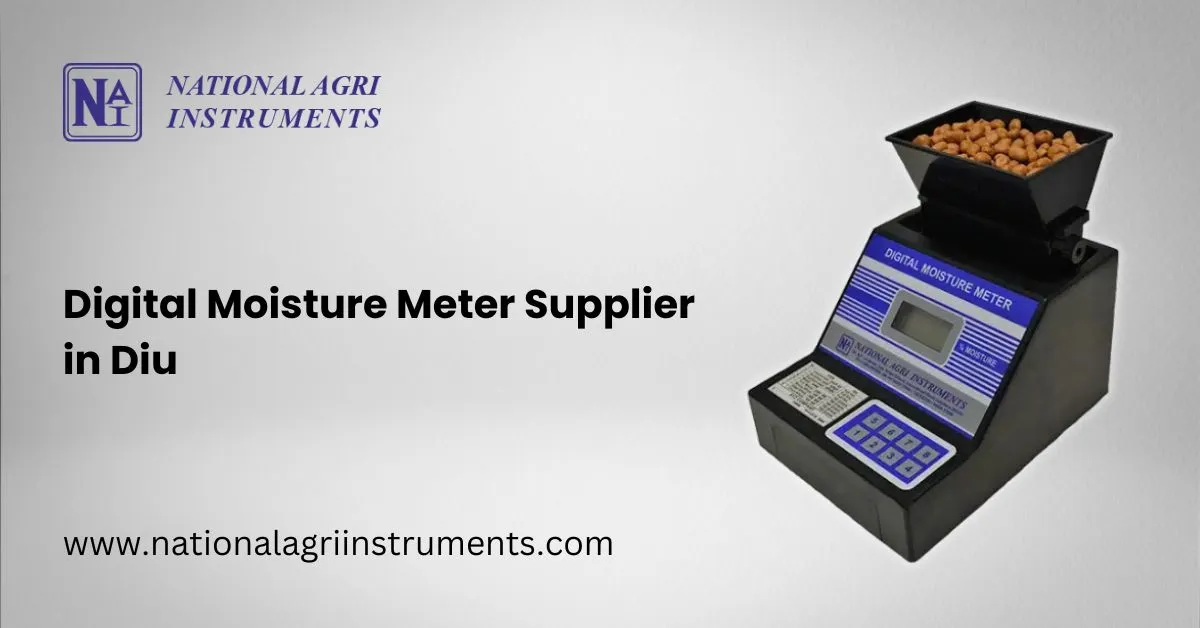
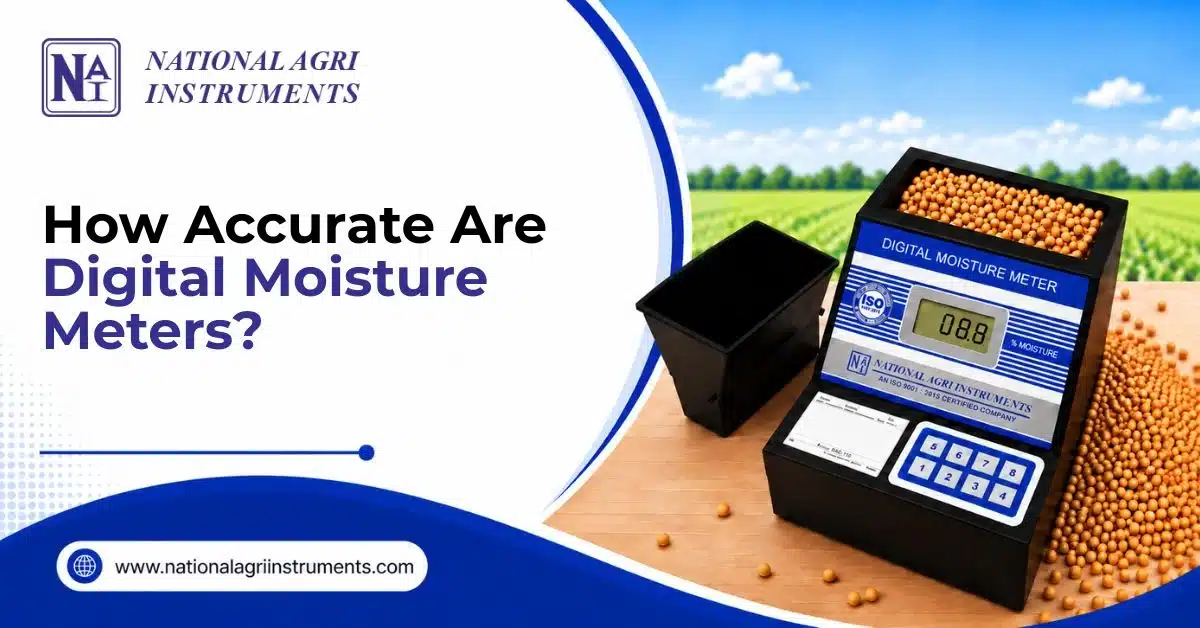
A Digital Moisture Meter is an essential tool for measuring the moisture content of grains, seeds, pulses, and other agricultural products with speed and precision. When used alongside soil monitoring technologies, it enables farmers, grain traders, and agricultural professionals to maintain product quality and optimize overall farm management.
Why Moisture Measurement Matters in Agriculture?
Moisture influences crop growth, harvesting schedules, storage conditions, and product quality. Excess moisture can lead to spoilage, fungal growth, and reduced market value, while insufficient moisture may affect crop development and processing.
A Digital Moisture Meter helps users determine the moisture content of harvested agricultural commodities before storage, transportation, or sale. Accurate measurements support better decision-making and help minimize financial losses.
Soil Moisture Monitoring vs. Commodity Moisture Testing
Although both technologies measure moisture, they serve different agricultural purposes.
A Digital Moisture Meter is designed to analyze harvested commodities such as grains, pulses, oilseeds, and seeds. In contrast, soil moisture sensors monitor water availability within the soil to assist with irrigation management.
| Technology | Primary Application |
| Soil Moisture Sensor | Measures water content in soil for irrigation and crop management |
| Digital Moisture Meter | Measures moisture in harvested grains, seeds, pulses, and other commodities |
| Grain Moisture Meter | Specialized moisture testing for cereals and stored grains |
| Agriculture Moisture Meter | Broad category covering agricultural moisture measurement tools |
Understanding these differences helps users choose the appropriate solution for each stage of agricultural production.
Features to Look for in a Moisture Meter in 2026
Selecting the right instrument requires evaluating its accuracy, speed, usability, and commodity compatibility.
A Digital Moisture Meter should ideally offer:
- High measurement accuracy
- Fast testing time
- Automatic temperature compensation
- Easy-to-read LCD display
- Lightweight and portable design
- Multiple commodity calibrations
- Durable construction
- Simple operation
These features improve testing efficiency across farms, warehouses, laboratories, and grain markets.
Looking for a reliable Digital Moisture Meter for agricultural moisture testing? Contact Us for accurate, easy-to-use solutions designed for grains, seeds, pulses, and other commodities.
Benefits of Digital Moisture Testing
Modern agricultural operations rely on accurate data to improve quality and reduce waste.
Using a Digital Moisture Meter provides several advantages:
- Supports better harvesting decisions
- Reduces storage losses
- Improves grain quality management
- Enhances trading confidence
- Assists quality control inspections
- Delivers rapid measurement results
- Helps maintain commodity standards
Reliable moisture testing contributes to improved productivity throughout the agricultural supply chain.
Why Digital Moisture Meters Are Ideal for Agricultural Commodities?
Harvested agricultural products require moisture levels within recommended limits before storage and distribution. Regular testing helps preserve quality and extends shelf life.
A Digital Moisture Meter is suitable for testing numerous commodities, including:
- Wheat
- Paddy
- Rice
- Maize
- Barley
- Pulses
- Oilseeds
- Coffee
- Spices
- Animal feed
- Vegetable seeds
Many advanced models support over 100 commodity calibrations, making them versatile tools for diverse agricultural applications.
Choosing a Reliable Moisture Meter
Purchasing the right instrument involves more than comparing specifications. Reliability, calibration support, and ease of use are equally important.
When selecting a Digital Moisture Meter, consider:
- Measurement range
- Accuracy and repeatability
- Number of commodity calibrations
- Portability
- Build quality
- Temperature compensation
- Battery operation
- After-sales support
Choosing a dependable instrument helps ensure consistent and accurate moisture analysis.
Frequently Asked Questions
What is a Digital Moisture Meter used for?
A Digital Moisture Meter measures the moisture content of harvested agricultural commodities such as grains, seeds, pulses, oilseeds, spices, and animal feed.
Is a soil moisture sensor the same as a Digital Moisture Meter?
No. Soil moisture sensors measure water content in soil, while Digital Moisture Meters determine the moisture content of harvested agricultural products.
Why is moisture testing important before grain storage?
Proper moisture testing helps reduce spoilage, mold growth, insect activity, and quality deterioration during storage.
Which industries use Digital Moisture Meters?
Farmers, grain traders, rice mills, laboratories, exporters, government agencies, oil industries, and agricultural processing facilities commonly use them.
What features should a moisture meter have in 2026?
Important features include high accuracy, rapid testing, automatic temperature compensation, multiple commodity calibrations, portability, and a durable design.
Conclusion
Reliable moisture measurement is essential for maintaining agricultural quality from the field to storage and distribution. While soil moisture sensors help manage irrigation and crop growth, harvested commodities require specialized testing to ensure they meet quality and storage requirements.
A Digital Moisture Meter provides fast, accurate, and dependable moisture analysis for grains, seeds, pulses, and other agricultural products. Choosing the right instrument in 2026 can help farmers, traders, and processors improve quality control, reduce losses, and make informed decisions throughout the agricultural supply chain.