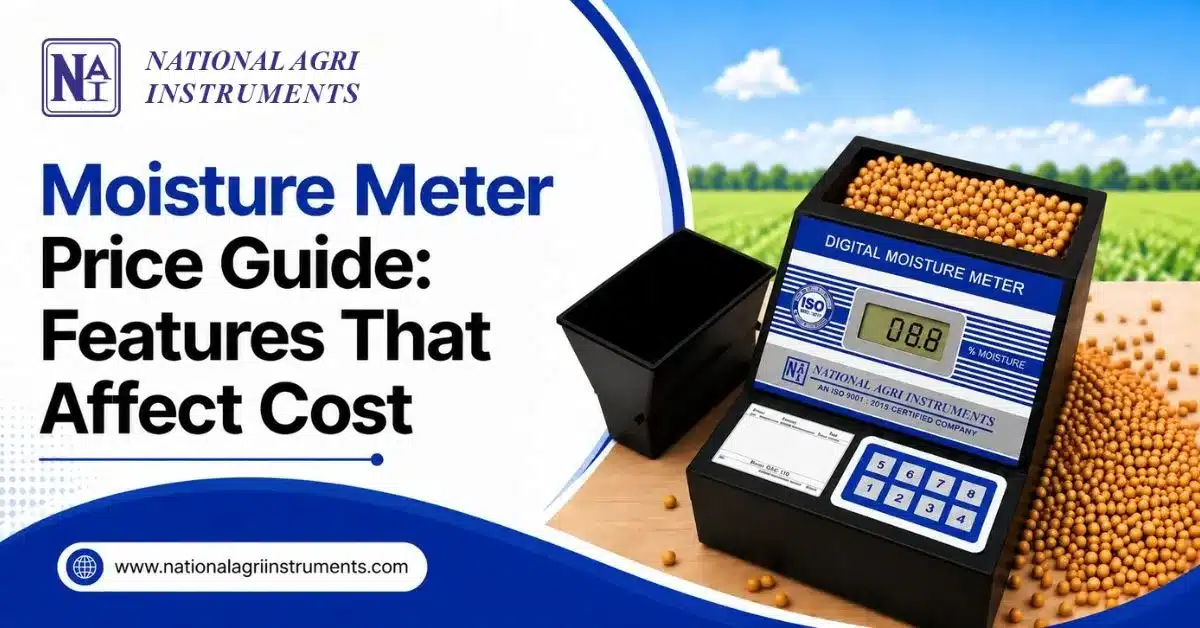
When searching for a Moisture Meter, price is often one of the first things buyers…
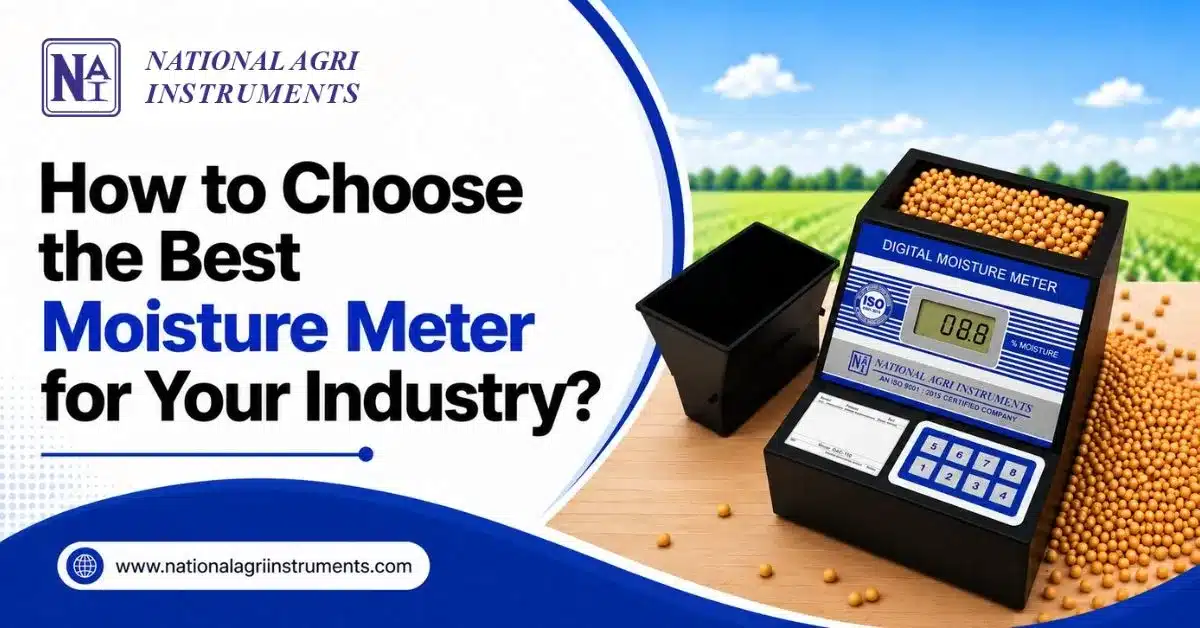
How to Choose the Best Moisture Meter for Your Industry?
Moisture testing is used for different reasons across industries. In grain processing, it can support quality and storage decisions, while laboratories may use moisture readings as part of routine sample evaluation. Because these requirements are different, choosing the Moisture Meter should begin with understanding the application rather than simply looking for the most expensive or feature-rich instrument.
What Are You Testing?
The first question is simple: what material do you need to test, and why? The answer determines what kind of moisture measurement approach is practical for your operation.
Industries such as rice processing, flour milling, grain handling, and agricultural trading may require regular checks of incoming or processed samples. Other users, including laboratories, exporters, surveyors, and manufacturing facilities, may have different sampling routines. A suitable Moisture Meter should therefore fit the material, testing purpose, and frequency of evaluation.
Where Will Moisture Testing Take Place?
The testing environment is another important consideration. An instrument used repeatedly on a production floor or at a sampling point needs to be straightforward to operate and practical to handle. Laboratory users, meanwhile, may have a more controlled testing environment, making the choice of Moisture Meter dependent on the specific testing setup.
Think about whether operators need to move the equipment between locations, how samples will be collected, and whether measurements need to be performed as part of a routine workflow. These practical considerations can be just as important as technical specifications when selecting equipment for regular moisture evaluation.
How Frequently Will You Test Samples?
Your testing volume can influence which features are genuinely useful. If only occasional measurements are required, a complicated system may add unnecessary complexity. For operations that check numerous throughout the day, simple operation and efficient measurement become more valuable.
A Moisture Meter intended for routine quality checks should fit naturally into the existing workflow. Consider how quickly samples can be prepared and measured, how operators receive the readings, and whether the process requires additional calculations or reference information.
Is the Instrument Easy for Operators to Use?
Ease of use becomes particularly important when several people may operate the same equipment. A clear display, uncomplicated controls, and a straightforward measurement process can reduce the learning required for routine testing. A Moisture Meter with simple operation can make regular sample evaluation more convenient for different users.
For example, NAI describes its instrument as an easy single-step tester. Its electronic measurement system and automatic temperature compensation are designed to simplify the testing process, allowing users to focus on obtaining and evaluating the sample reading.
Looking for practical moisture testing solutions? Contact us for a Moisture Meter suited to your application.
How Important Are Testing Conditions?
Moisture measurement does not always take place under identical conditions. Temperature variations can influence measurement, so users should consider whether the instrument provides a practical way to account for them.
For routine applications, automatic temperature compensation can make the Moisture Meter easier to operate by reducing the need for manual temperature calculations or reference charts. This can be particularly useful when measurements are performed regularly in changing working conditions.
What Should You Compare Before Buying?
Instead of comparing instruments only by price, create a checklist based on your actual operation. Consider the sample type, testing purpose, measurement range, required accuracy, testing frequency, operating environment, sample quantity, and ease of use.
NAI’s Moisture Meter, for example, is designed for non-destructive sample testing and includes automatic temperature compensation. Its suitability should ultimately be judged against the user’s specific testing requirements rather than specifications alone.
Is the Most Expensive Moisture Meter the Best Choice?
Not necessarily. The most suitable instrument is the one that fits the application’s requirements and can be used effectively within the existing testing process. A higher-priced model may include capabilities that a particular industry does not need, while a simpler instrument may provide the functionality required for routine evaluation.
Therefore, choosing the Moisture Meter should involve balancing measurement needs, operating conditions, workflow, and overall practicality.
Frequently Asked Questions
How do I choose a Moisture Meter for my industry?
Start by identifying the material being tested, purpose of testing, testing frequency, operating environment, and level of measurement performance required.
Should I choose a different Moisture Meter for every industry?
Not necessarily. The same instrument may suit multiple industries when its measurement capabilities and operating process match their testing requirements.
Why is ease of use important when selecting a Moisture Meter?
Simple operation can make routine testing easier for operators and help the instrument fit efficiently into an existing quality-control workflow.
Does the testing environment affect Moisture Meter selection?
Yes. Where and how measurements are performed can influence the importance of factors such as portability, operating simplicity, and temperature compensation.
Should price be the main factor when choosing a Moisture Meter?
No. Price should be considered alongside the instrument’s suitability for the material, testing process, measurement requirements, and operating conditions.
Conclusion
Choosing the best moisture testing equipment starts with understanding how, where, and why you need to Measure Moisture. By matching the instrument to your material, testing environment, frequency, operator requirements, and measurement needs, you can make a more informed selection instead of choosing based on specifications or price alone.
Related Posts